When a buyer asks about a mini excavator, the first question is usually about size. The second is about reach: how deep can it dig, how far can it reach, and how high can it dump? Those three numbers decide whether the machine can do the job at all. This guide explains digging depth, reach, and dumping height in plain language, how size affects them, and how to check them before you order. Exact figures depend on the model, boom and arm configuration, and attachments fitted, so always confirm them on the specification sheet for the exact configuration you plan to order.
Digging depth: how deep is deep enough?
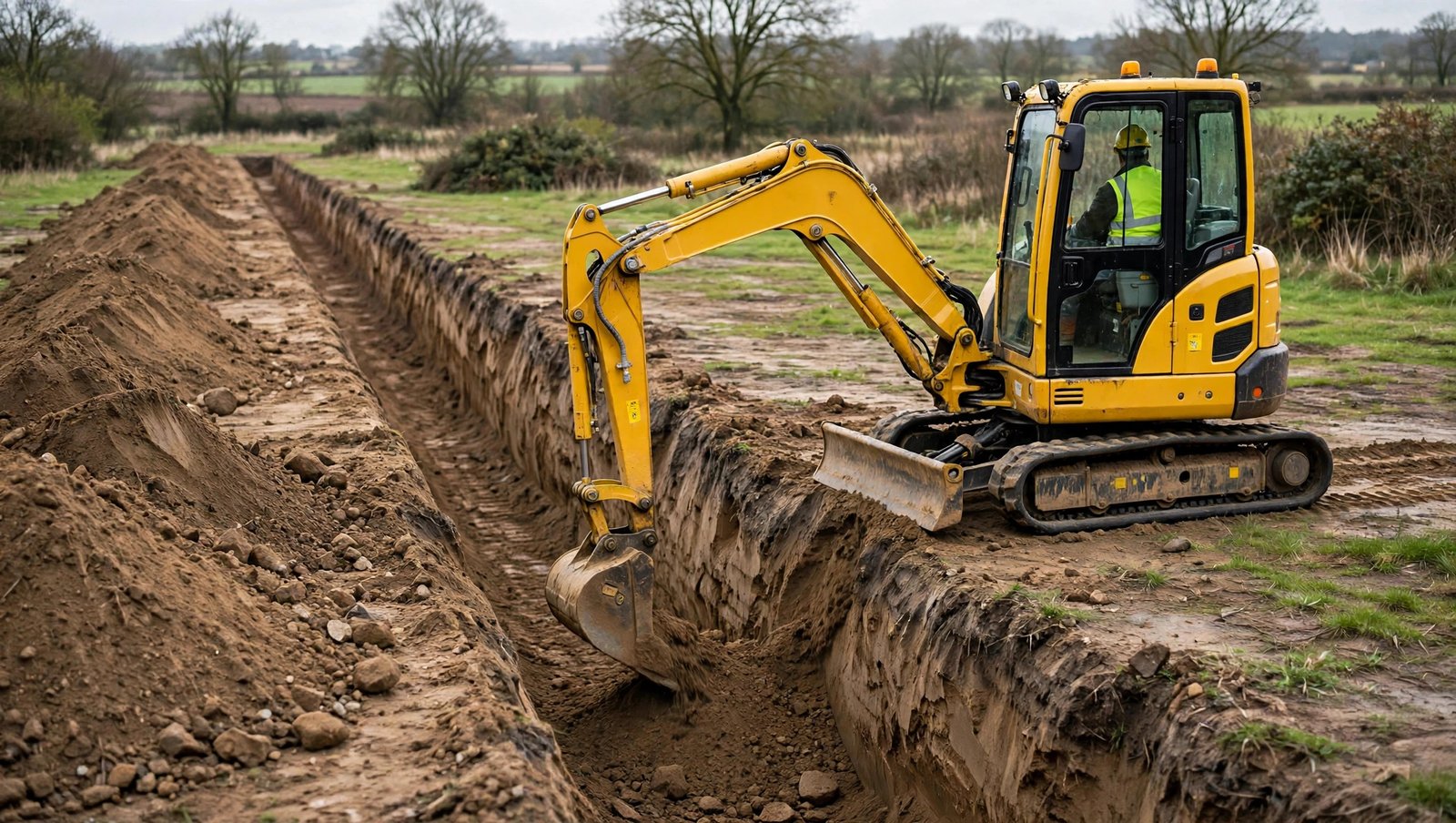
Digging depth is the deepest point the bucket can reach below ground level. It is the number that matters most for trenches, footings, drainage, and foundations. A small 0.8 to 1 ton machine is made for shallow work: garden trenches, planting holes, and light digging. A 1.5 ton machine reaches a little deeper and suits irrigation trenches, small footings, and regular farm work. A 2 ton machine reaches deeper still and suits footings, drainage, and small construction work. A 2.5 to 3.5 ton machine is made for deeper trenches and heavier groundwork.
Reach: how far can the arm go?
Reach is how far the bucket can extend from the centre of the machine. It matters when the machine cannot sit right next to the work — for example, when it is digging across a ditch, loading a truck parked beside it, or working over a fence.

Dumping height: how high can it load?
Dumping height is the highest point the bucket can reach when it tips its load out. It matters every time the machine loads a truck, a skip, or a high pile. If the dumping height is too low, the machine cannot load a truck without a ramp, or it will spill soil over the side. Dumping height grows with machine size, but not in a straight line. A 1 ton machine can load a small truck or a low trailer. A 2 ton machine can load a larger truck more easily. Before you order, check the height of the truck or container you use most often, and compare it with the dumping height on the specification sheet for the exact model.
How size affects depth, reach, and height
In general, a bigger mini excavator digs deeper, reaches further, and dumps higher than a smaller one. That is because a heavier machine has a longer boom and arm, a stronger hydraulic system, and more stability. But size is not the whole story. Two machines of the same weight can differ in digging depth, reach, and dumping height, because they may have different boom and arm lengths, different buckets, and different configurations. A machine with a long arm may dig deeper but lift less. That is why the specification sheet matters more than the tonnage alone. Tonnage tells you the weight class. The specification sheet tells you what that particular machine can actually do.
How to measure your job before you buy
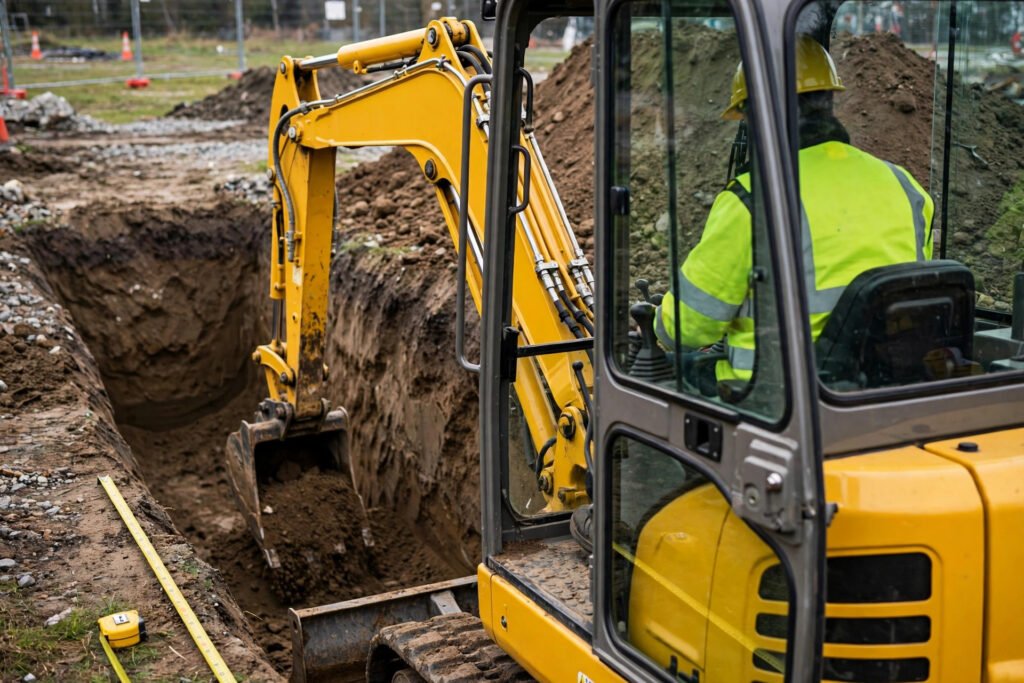
Before you choose a model, measure three things on your most common job. First, the deepest trench or footing you dig regularly — that is your minimum digging depth. Second, the furthest point the machine must reach from where it will sit — that is your minimum reach. Third, the highest point the machine must load into — measure the side of your truck, skip, or container. That is your minimum dumping height. Take those three numbers to your supplier and ask which models meet all three — not just one of them. A machine that digs deep enough but cannot load your truck is the wrong machine, just as a machine that loads well but cannot reach your deepest trench is the wrong machine.
Why specification sheets differ
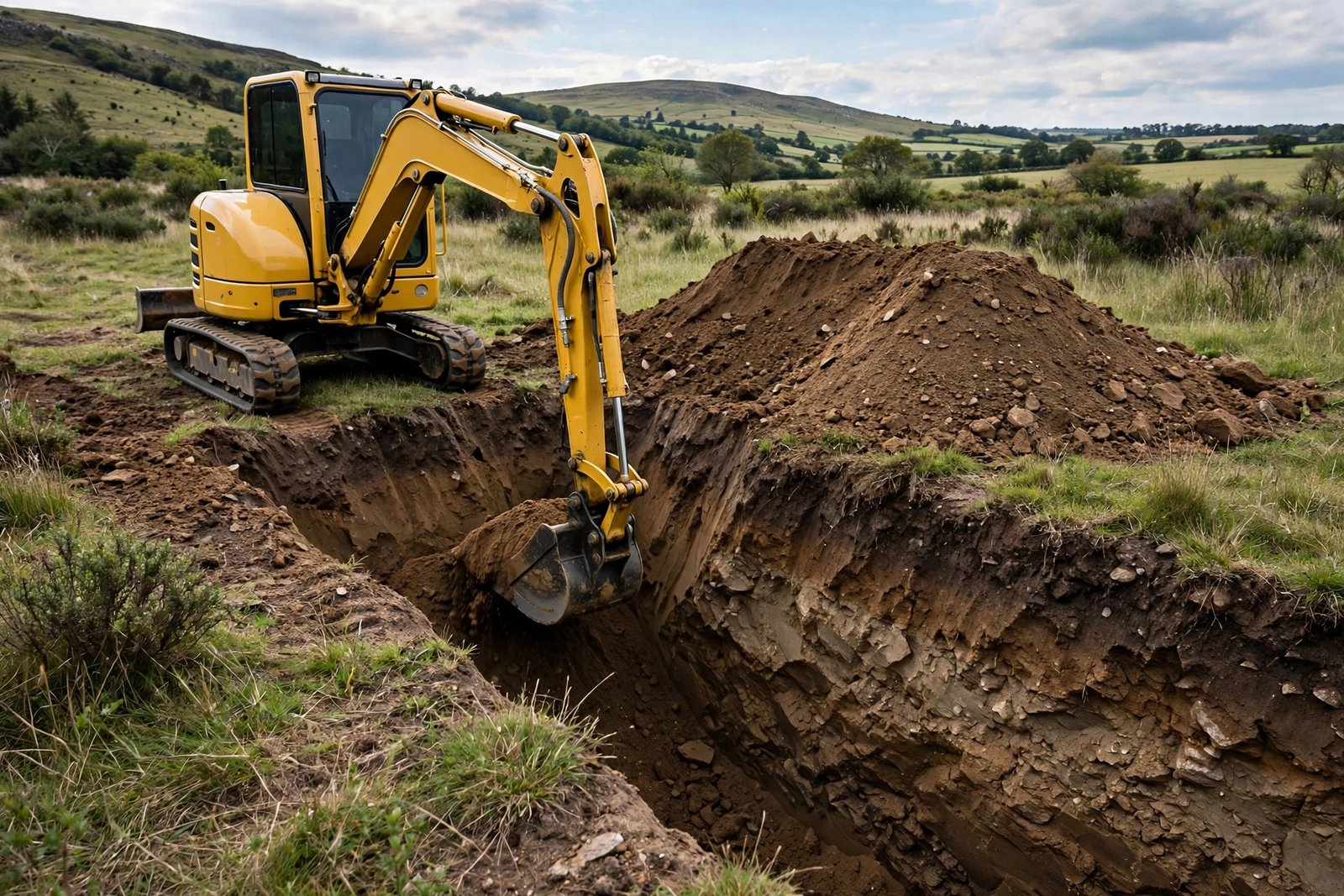
Buyers are often surprised that the same model can have different depth and reach figures in different places. There are good reasons for that. Different configurations change the numbers. A long arm, a different bucket, a cab instead of a canopy, or extra counterweight can all change digging depth, reach, and lifting capacity. The figures on a specification sheet usually apply to one specific configuration, with a standard bucket and no extra attachments. Different ways of measuring also change the numbers, so compare like with like, and ask your supplier which configuration the figures apply to. When you order, confirm the exact configuration in writing: model, boom and arm, bucket size, cab type, and attachments. Then ask for the digging depth, reach, and dumping height for that exact configuration, not for a different version of the same model.
A quick checklist before you order
- What is the deepest trench or footing I dig regularly?
- How far must the machine reach from where it will sit?
- How high must it dump to load my truck or container?
- Which boom, arm, and bucket does the specification sheet describe?
- Does the machine meet all three numbers with room to spare, not just barely?
If the answer to the last question is yes, the machine fits your work. If it only just meets one number and falls short on another, look at the next size up, or at a different configuration of the same model.
The right reach is the reach that fits your job
Digging depth, reach, and dumping height are not abstract numbers. They are the difference between a machine that works smoothly all day and one that has to move, struggle, or stop halfway through a job. A 1 ton machine is right for shallow trenches and small trucks. A 1.5 to 2 ton machine covers most farm, garden, and small construction work. A 2.5 to 3.5 ton machine suits deeper trenches and larger trucks. Whichever size you choose, measure your job first, check the specification sheet for the exact configuration, and choose the machine that meets all three numbers — depth, reach, and height — with room to spare. Tell Sparkle One about your deepest trench, your truck height, and how far the machine must reach, and we will help you choose the size and configuration that fits. Minimum order is 1 unit, and our team replies within 24 hours. Contact us on WhatsApp at +86 151 2992 2907 to discuss your requirements and confirm the configuration before you order.