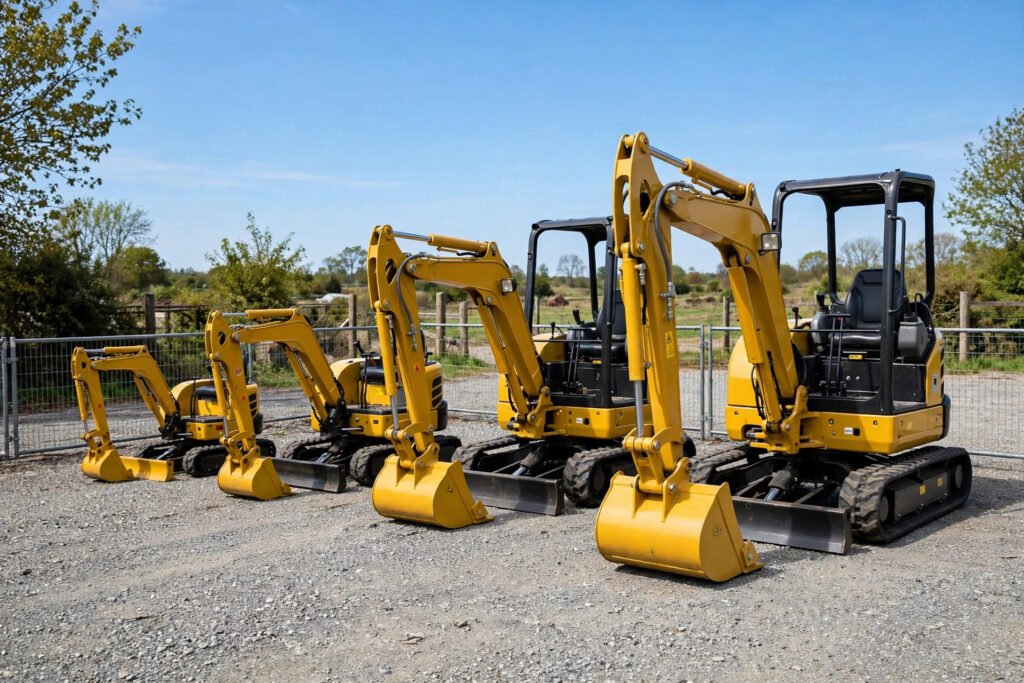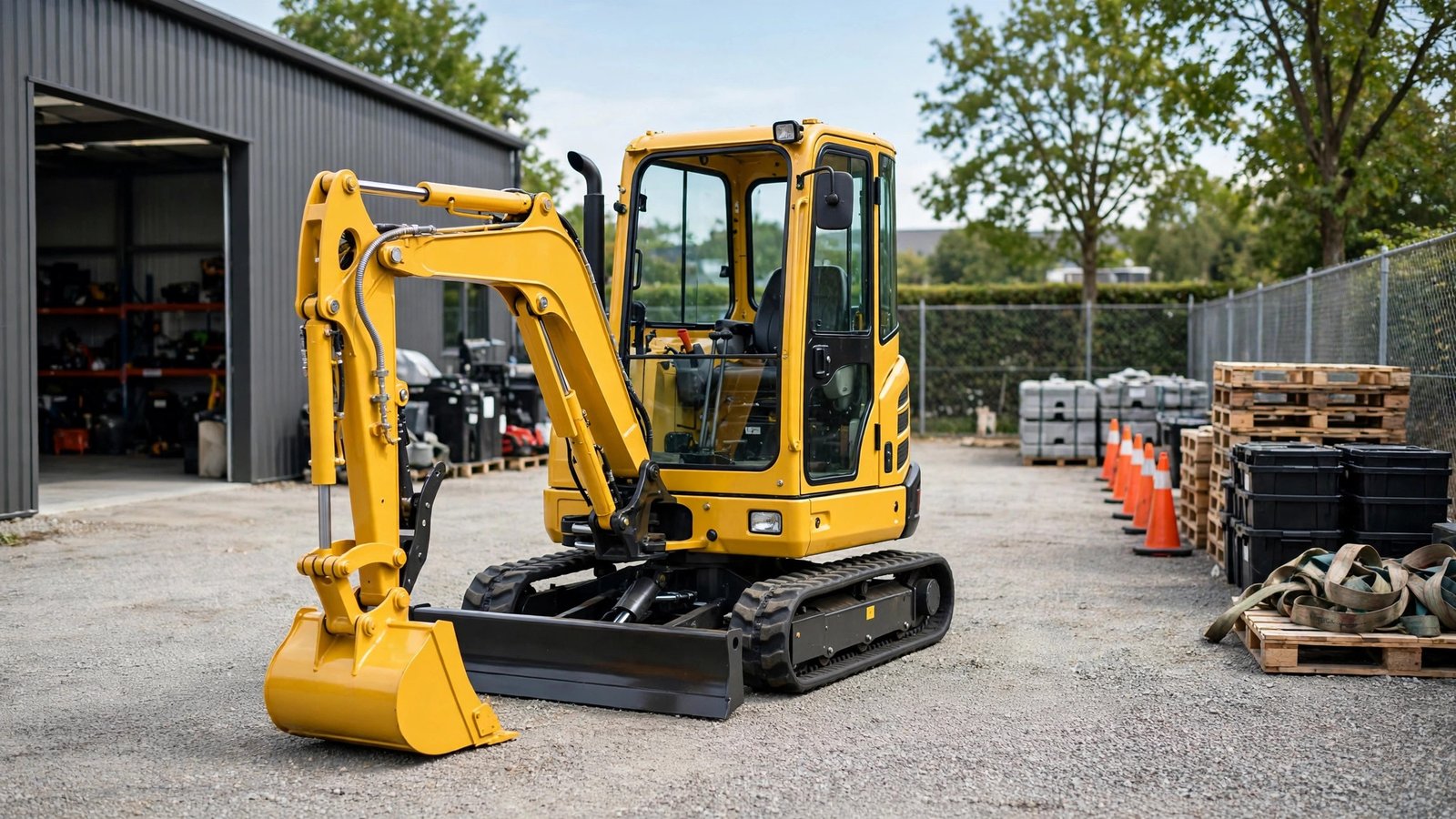
A mini excavator is one of the easiest machines to rent out. It is small enough to tow on a trailer, simple enough for a first-time operator to learn in a day, and useful on almost every small job: trenches, footings, drainage, landscaping, and demolition. For a contractor, a farmer, or a dealer with a yard, a rental fleet can turn one machine into a steady stream of work. But a rental business is not the same as owning a machine for your own jobs.
Why rental suits mini excavators
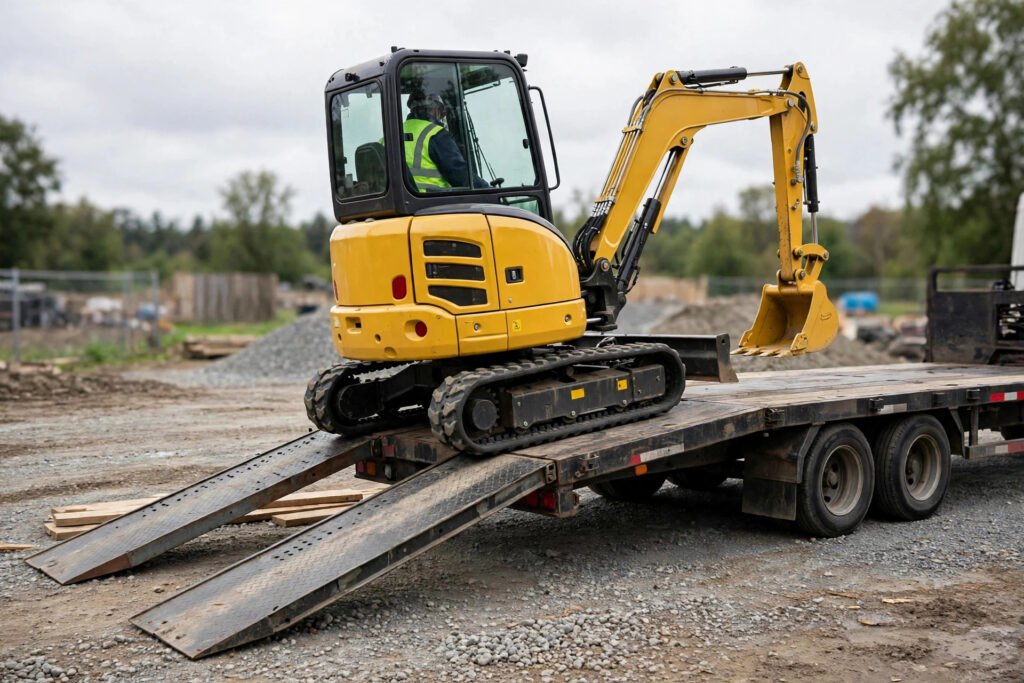
Most people who need a mini excavator need it for a few days, not for years. A homeowner digging a trench, a landscaper levelling a garden, or a small builder putting in footings does not want to buy, store, and maintain a machine for a job that lasts a week. Renting is the obvious answer, and the demand is steady. A machine in the 1 to 2.5 ton class can be towed on a trailer behind a ute or a small truck, delivered in the morning and collected in the evening, which keeps the logistics simple.
Choosing the first machine
Your first machine should be the one most customers ask for, not the biggest or the most impressive. In general terms, a machine in the 1.5 to 2 ton class is a good starting point: it fits through a garden gate, digs trenches and footings, lifts enough for most small jobs, and is still easy to tow.
Choose a machine that is simple to operate and easy to service. A rental customer may be using a mini excavator for the first time, so clear controls, a simple start procedure, and a short handover matter more than extra features. Ask the supplier for the exact specification sheet for the configuration you plan to order, and confirm the digging depth, reach, and lifting capacity for that configuration before you buy.
Buy one machine first, and learn the business on it. You will find out which jobs your customers actually do, which attachments they ask for, and how often the machine needs servicing — before you spend money on a second machine.
Attachments to include
Attachments decide what jobs your customers can take on. Start with a standard digging bucket in the width that matches the most common trench, and add a narrow trenching bucket for pipes and cables. A grading bucket suits landscaping customers, and an auger suits fence posts and planting. A hydraulic breaker turns a small machine into a demolition tool, but hire it only to customers who know how to use it, and check it carefully when it comes back. Make sure every attachment fits the same quick coupler, and that the machine has the auxiliary hydraulic lines the powered attachments need.
Maintenance and spares: the machine must be ready
A rental machine earns money only when it is out working. Every day it stands in the yard waiting for a part is a day of lost hire. Service it on schedule with the right oil, filters, and parts, keep a record of every service, and check it between every hire — tracks, hoses, bucket teeth, fluid levels, and every function — before it goes out again.
Keep a first stock of spares on the shelf: filters, bucket teeth, hoses, seals, fuses, and a drive belt. Order the first set with the machine, with the part numbers confirmed for the exact model, so a small fault is a short job and not a lost week.
Pricing in general terms
Pricing a rental machine is a balance, not a formula. Charge too little and the hire will not cover servicing, transport, and repairs. Charge too much and customers hire from someone else. In general terms, rental is usually priced by the day, with a lower rate for a week or longer, and delivery and collection charged separately or included. Check what other rental businesses in your area charge for a similar machine, and confirm your running costs — fuel, servicing, tracks, and parts — so you know what the hire has to cover.
Insurance and contracts: protect the machine and yourself
A rental machine is used by people you do not know, on ground you have not seen. In general terms, a rental business needs insurance that covers the machine itself, damage it causes, and injury to the operator or to other people. The exact cover depends on your country and your insurer, so ask a local insurance broker what a hire business needs, and get the cover in writing before the first machine goes out.
Use a written hire agreement for every customer, however short the hire. It should state the machine and its condition, the hire period, the price, who pays for fuel and transport, what happens if the machine is damaged, and what the customer must not do. Take dated photos of the machine before it leaves and when it comes back, so there is no argument about damage.
Give every customer a short handover: how to start the machine, how to move it safely, what to check before use, and who to call if something goes wrong.
Finding customers
Customers for a rental mini excavator are usually local: builders, landscapers, farmers, and homeowners within a short drive of your yard. The most reliable way to reach them is to be visible where they already look: a simple website with the machine, the attachments, and a phone number; a listing in local directories; and a sign at the yard.
Word of mouth matters more than advertising in this business. A builder who hires a clean, working machine with a clear handover will come back, and will tell other builders. Start with the customers you already know — your own contacts, if you are a contractor, or your existing customers, if you are a dealer — and build the fleet one machine at a time, letting demand decide when to add the next one.
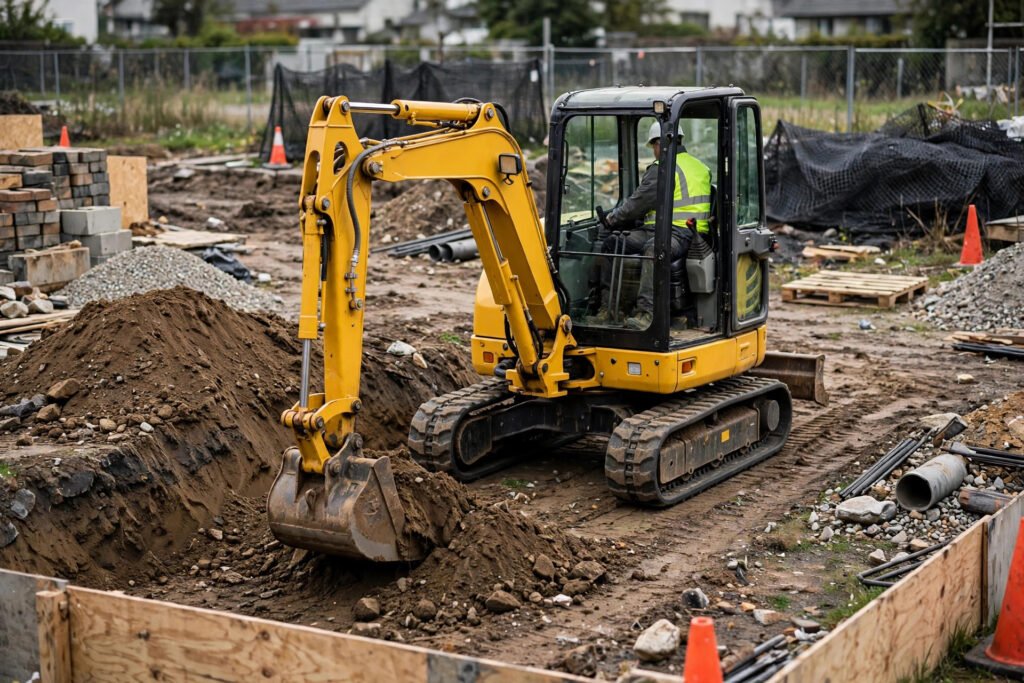
Start small, keep the machine working
A rental business does not need a fleet to start. It needs one clean, reliable machine, the right attachments, a stock of spares, a written agreement, and insurance — and a plan to keep the machine working, serviced, and ready for the next customer.
Start with the size most customers ask for, learn what they actually do with it, and add the next machine only when the first one is out working most days.
Tell Sparkle One about your rental plans — the size you need, the attachments your customers ask for, and the country you work in — and we will help you choose the right machine and configuration for your first rental unit. Minimum order is 1 unit, and our team replies within 24 hours. Contact us on WhatsApp at +86 151 2992 2907 to discuss your requirements.