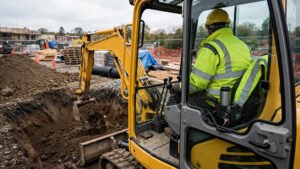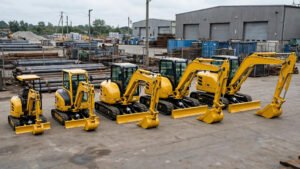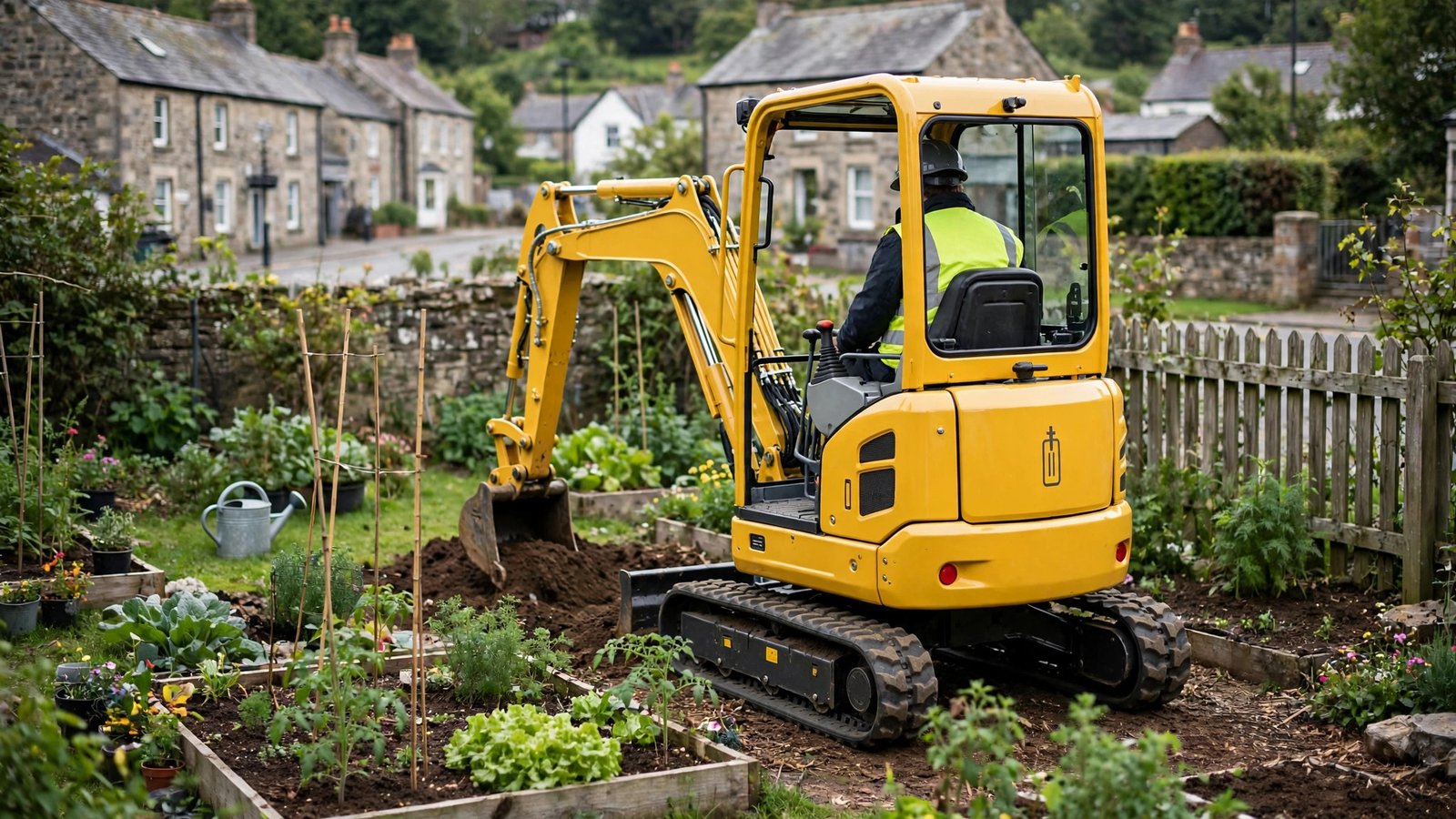
For years, a mini excavator meant a diesel engine: noise, exhaust, and a smell that followed the machine around the site. That is no longer the only option. Electric mini excavators, such as the HT15-Li, are now a real choice for buyers who work where a diesel machine is a problem — indoors, in towns, at night, or in a garden where the neighbours are close. This guide explains what an electric mini excavator does differently, where it suits the work, and what to check before you buy one. It does not quote battery capacity, working hours, or prices, because those figures depend on the exact model, battery, and configuration; confirm them on the specification sheet for the machine you plan to order.
Why electric, and why now
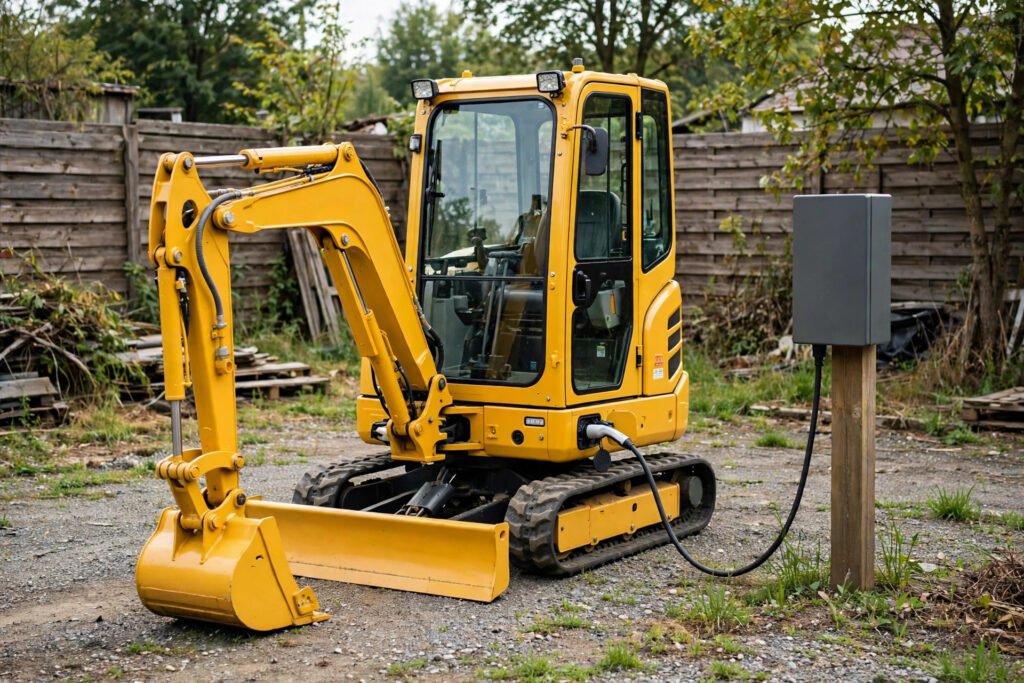
An electric mini excavator replaces the diesel engine with a battery and an electric motor. The digging, lifting, and swinging still come from hydraulics — only the power source changes. That one change removes the two things that cause the most complaints about diesel machines: exhaust fumes and engine noise.
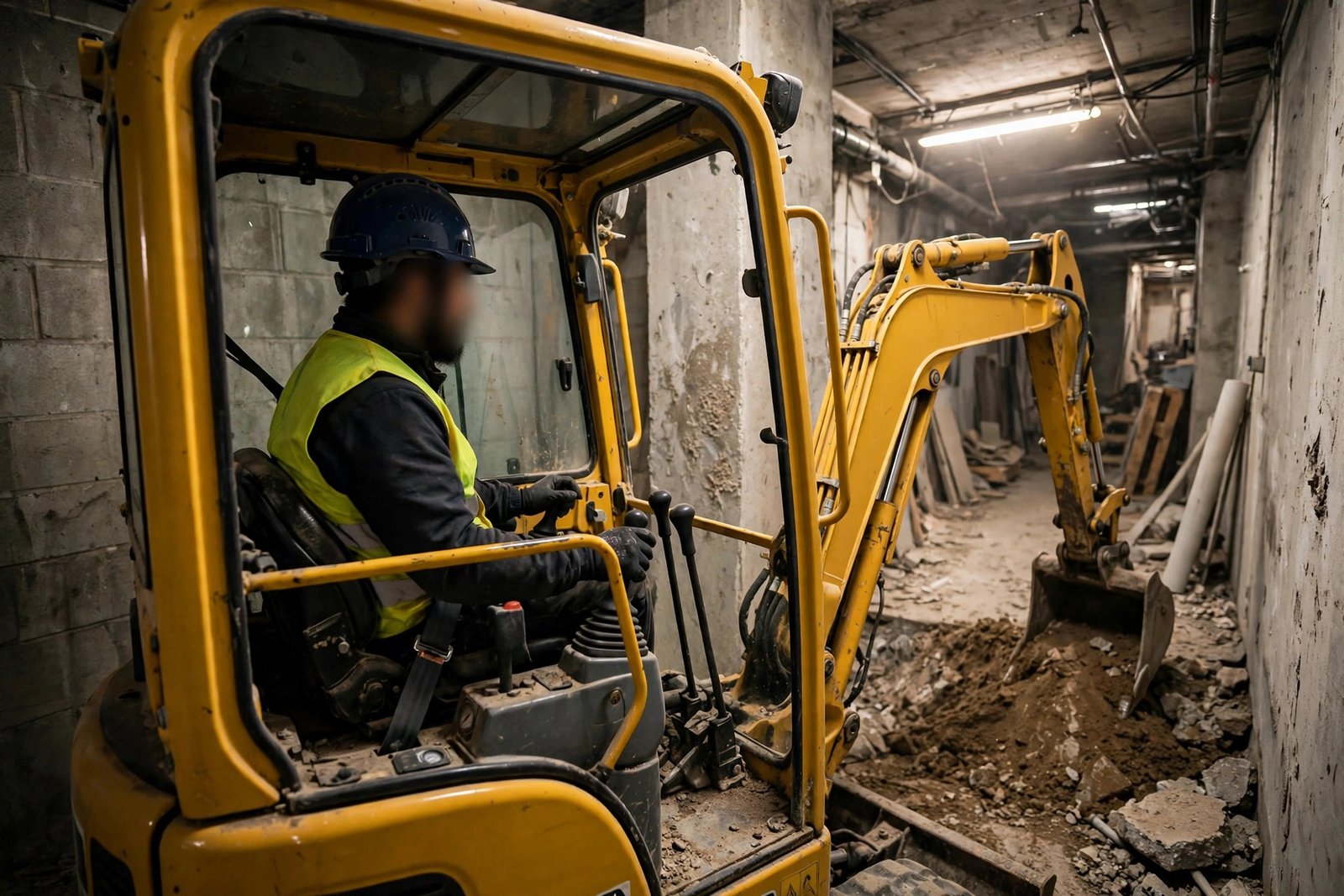
That matters more than it sounds. A diesel machine working in a basement, a warehouse, or a tunnel fills the space with exhaust, and the ventilation needed to clear it slows the job down. An electric machine produces no exhaust at the point of work, so it can keep digging where a diesel machine would have to stop. On a street in a town, or in a garden next to houses, the lower noise means the machine can start earlier and finish later without drawing complaints.
Servicing is simpler too: no engine oil, fuel filter, or exhaust system, and no diesel to store or spill.
Where electric suits the work
The strongest case for electric is indoors. Basements, warehouses, tunnels, and renovation work inside a building are all places where exhaust is the limiting factor. An electric machine can dig a trench inside a building, break a floor, or move soil in a basement without filling the space with fumes.
The second case is towns and gardens. A machine working in a garden, a courtyard, or a residential street is close to people, and people notice noise and smell. An electric machine is quieter at work and silent when it is standing still.
The third case is night work and work with restricted hours. Some sites can only work at night, or only within strict daytime hours, because of noise rules. A quieter machine gives the operator more working hours in a day. Electric machines also suit days made of short jobs rather than one long shift: a morning in a garden, an afternoon on a driveway, and a return to the yard to charge overnight.
Charging and working time: the question to ask first
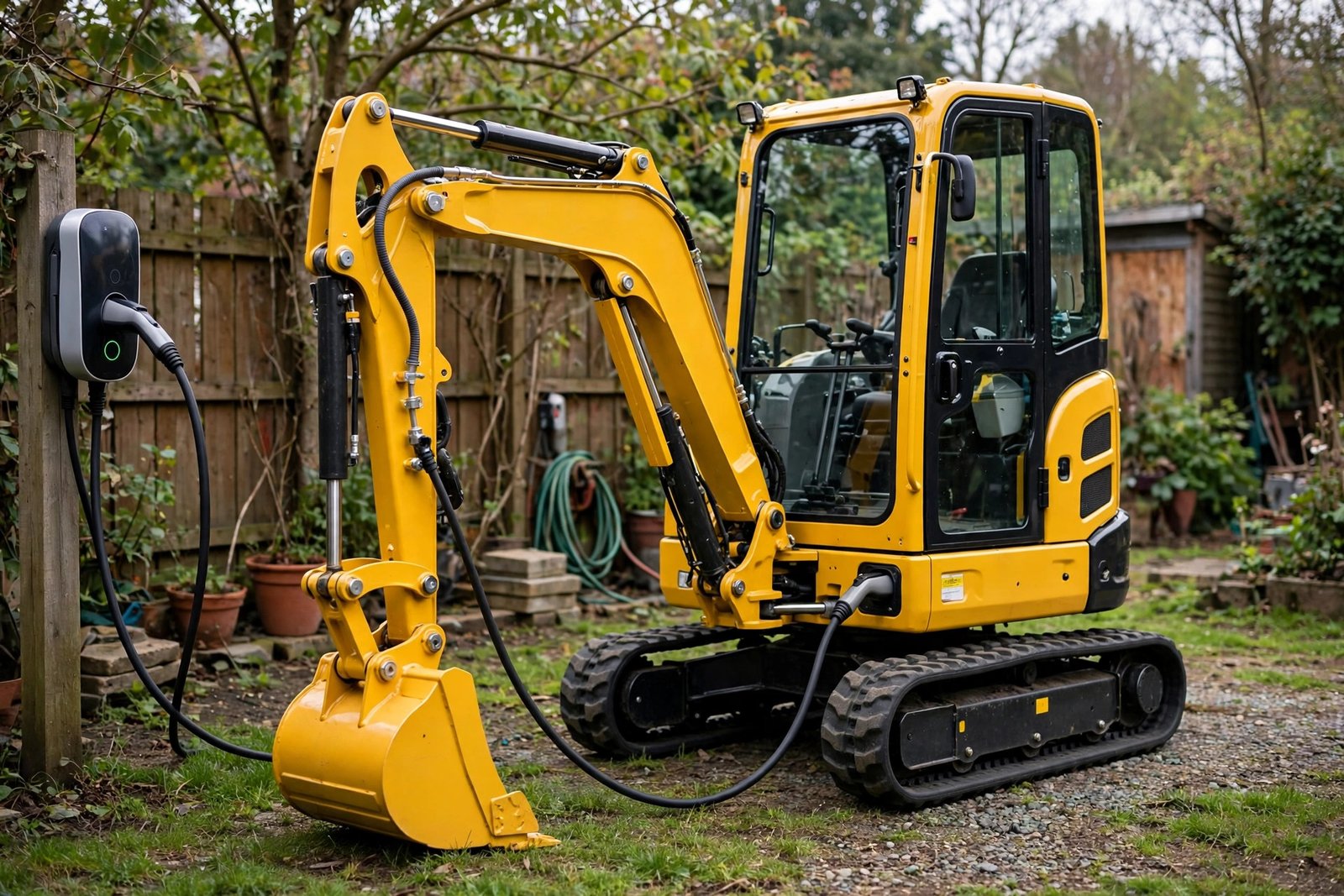
The question every buyer asks first is how long an electric mini excavator works on a charge, and how long it takes to charge again. The honest answer is that it depends: on the battery fitted, on the work being done, and on the charger used. Heavy digging uses the battery faster than light grading, just as heavy digging uses more diesel in a diesel machine.
Before you order, ask the supplier four questions, and get the answers in writing. First, which battery is fitted to the exact model and configuration you plan to order? Second, what working time should you expect for your kind of work — digging, trenching, or grading? Third, how long does a full charge take, and what kind of power supply does the charger need? Fourth, what happens when the battery runs low on site — can the machine be topped up from an ordinary supply, or does it need a specific charger?
If the machine will work away from the yard all day, with no charging point on site, a diesel machine may still be the practical choice. If it works near a power supply, or returns to the yard each night, charging is part of the routine, like refuelling — only quieter and cleaner.
Diesel vs electric: the basic comparison
Diesel and electric machines dig the same way, but they suit different working days. A diesel machine can be refuelled in minutes and will work a long day far from any power supply, which is why it is still the standard choice for farms, remote sites, and long days of heavy digging.
An electric machine suits a shorter, quieter working day close to power. It produces no exhaust at the point of work and has a shorter service routine. The trade-off is charging time and the need for a power supply, and the battery will eventually need replacing — ask how long it is expected to last and what a replacement involves, in writing.
The right choice is the one that fits the working day, not the one with the newer technology. A buyer who works long days on a farm will get more from a diesel machine. A buyer who works indoors, in towns, or in gardens will get more from an electric one.
What to check before buying
Before you order an electric mini excavator, check six things. First, the exact battery and motor fitted to the model and configuration you plan to order, and the specification sheet for that configuration. Second, the expected working time for your kind of work, and the charging time and power supply the charger needs. Third, whether the machine meets the rules for your country and your site, confirmed in writing. Fourth, the service routine: what needs checking, how often, and who can service the battery and the electric system in your area. Fifth, the warranty terms for the battery and the electric system, confirmed in the contract — not just in a brochure or a chat message. Sixth, the spare parts and support: filters and hoses for the hydraulics, and the parts list and service manual in your language for your exact model.
Quiet, clean work is a real option now
An electric mini excavator such as the HT15-Li is not a machine for every job. It is a machine for the jobs where a diesel engine is the problem: indoors, in towns, at night, and in gardens where noise and exhaust matter. For those jobs it is not a compromise — it is the better tool, because it can keep working where a diesel machine has to stop.
Tell Sparkle One about your work — indoors, in town, or in a garden — and we will help you confirm whether an electric mini excavator such as the HT15-Li fits your jobs, with the exact battery, specification sheet, and charging details for your order. Minimum order is 1 unit, and our team replies within 24 hours. Contact us on WhatsApp at +86 151 2992 2907 to discuss your requirements.