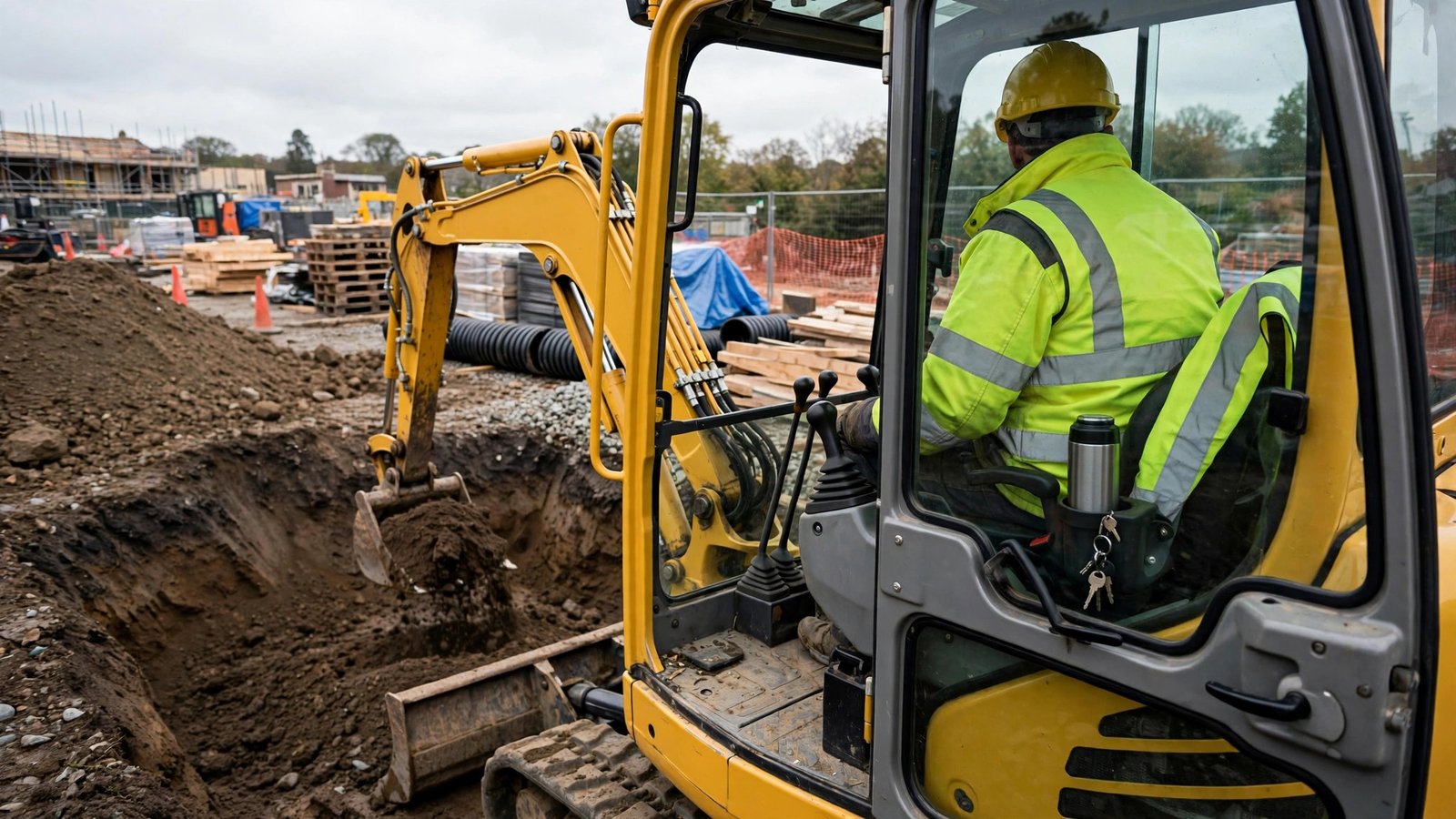
If you have followed this series from the first post, you have already met the whole mini excavator — from the smallest 0.8 ton machine to the bigger HT models, from rubber tracks to hydraulic breakers, from daily maintenance to importing a machine from China. This final post pulls it all together: the decisions that matter, in the order a buyer actually makes them.
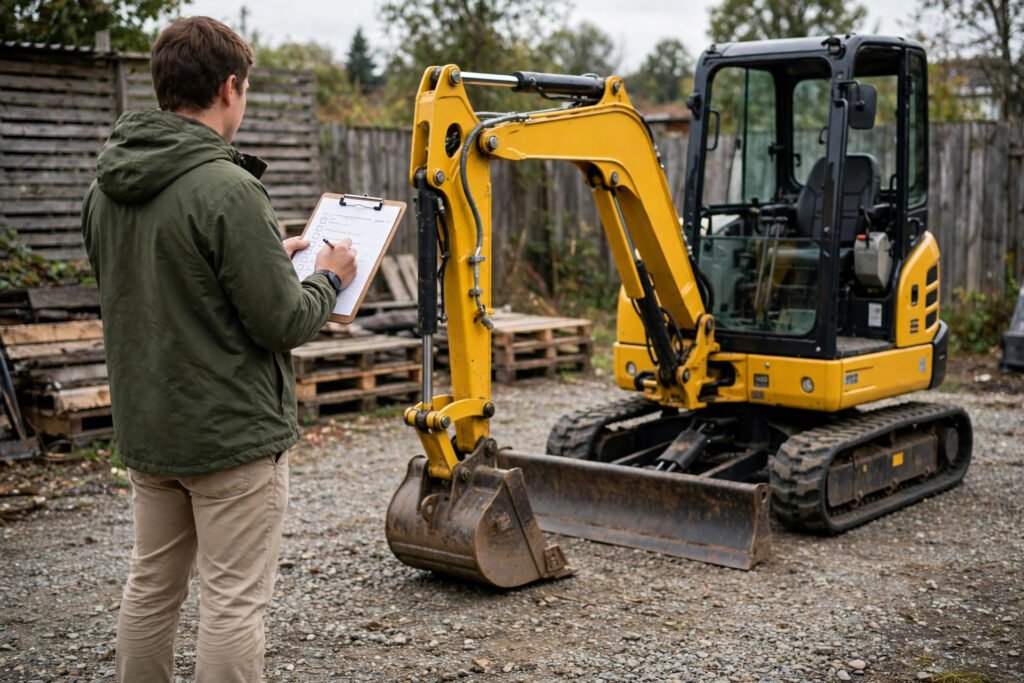
Start with size: match the machine to the work
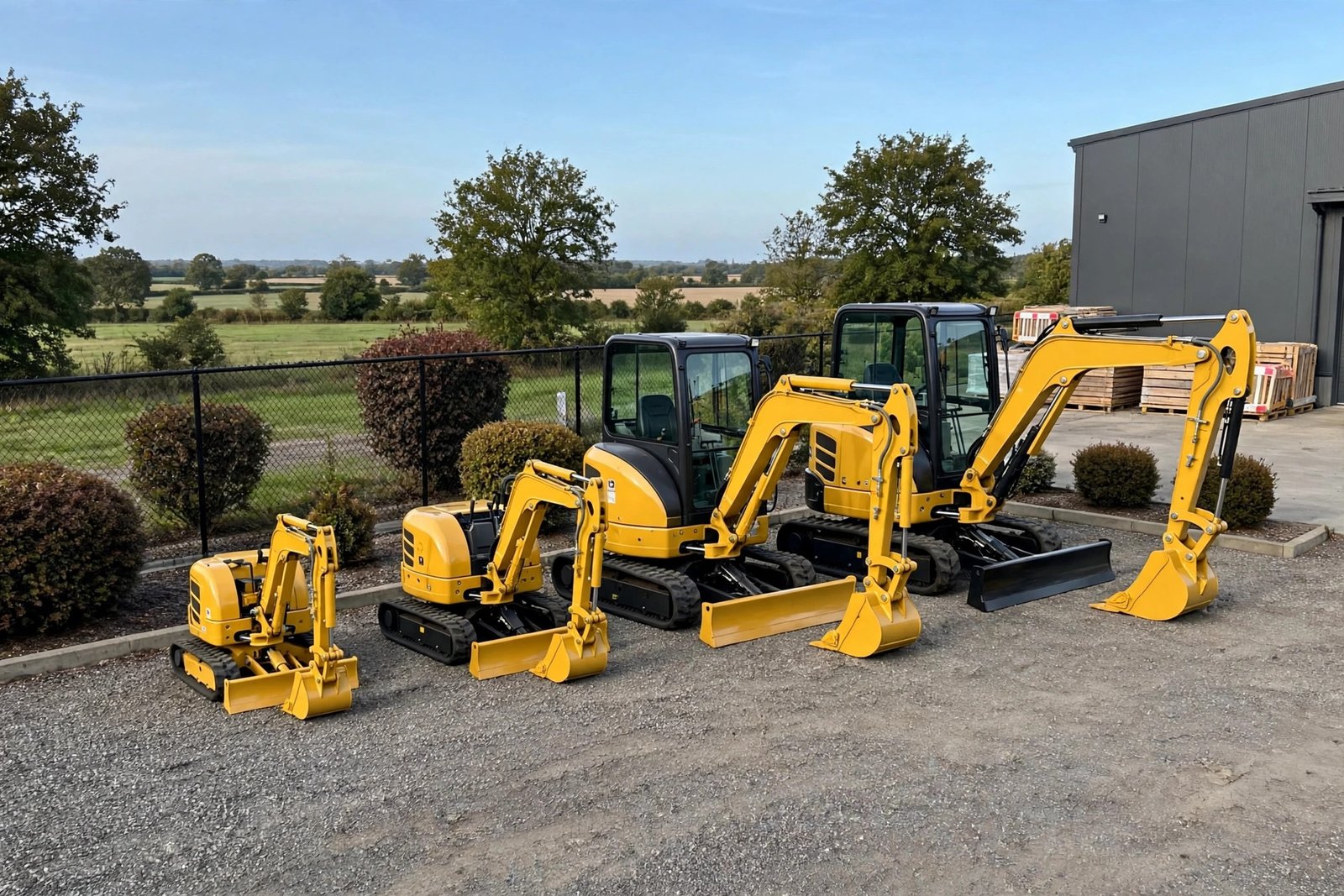
Everything starts with size. The smallest machines, around 0.8 to 1 ton, fit through a garden gate. The 1.5 to 2 ton class — machines like the HT15, HT18 and HT20 — is the usual choice for farms, landscaping, footings and service trenches. The 2.5 ton class and bigger, such as the HT25, suits deeper trenches, heavier loads and longer days.
Measure your most common job before you choose: the deepest trench, the narrowest gate, the highest point you must load into, and the trailer you already own. The right machine is the one that fits your gates, your trenches and your truck — not the biggest machine you can buy. And do not judge a machine by tonnage alone: two machines in the same weight class can differ in digging depth, reach and lifting capacity. Confirm the exact figures on the specification sheet for the configuration you plan to order.
Tracks, cab and the engine
Rubber tracks suit finished surfaces — lawns, driveways, paved courtyards — and are quieter; steel tracks suit hard, rough ground. An open canopy is cheaper and lighter and suits warm climates and short jobs; a closed cab protects the operator from rain, cold, dust and noise, and suits long working days.
Most mini excavators run on diesel, which suits long days and heavy digging; the smallest machines sometimes run on petrol, which suits light, occasional work. Names like Kubota, KOOP, Briggs & Stratton and Laidong tell you something about the engine, but the question that matters more is parts and service where you work: which oil and filters it takes, which spares to keep on hand, and who nearby can service it.
Attachments: order the work, then the attachments
A mini excavator on its own is a digging machine. With the right attachments it becomes a machine for almost any small job. Start with a standard digging bucket in the width that matches your most common trench, then add what your work actually needs: a narrow bucket for pipes and cables, a grading bucket for a smooth finish, an auger for fence posts and planting, a hydraulic breaker for small concrete, and a grapple for clearing and sorting.
Order a quick coupler with the machine, so one operator can change between attachments in minutes. Before you order any powered attachment, check three things: that the machine has auxiliary hydraulic lines, that its hydraulic flow matches the attachment, and that the attachment fits the same coupler as your buckets.
Maintenance: the machine that works is the machine that is looked after
The daily checklist is short — walk around the machine, check the tracks and bolts, look for leaks, check the oil, coolant and fuel, grease the pins — and it is the difference between a machine that works every day and a machine that stands still waiting for a part. Fix small problems before they become big ones, and keep a first stock of spares on the shelf: filters, bucket teeth, hoses, seals, fuses and a drive belt, ordered with the machine, with the part numbers written down.
Buying from China: certificates, shipping, customs, inspection
For many buyers, the machine comes from China, and the import is where a good purchase can go wrong. The method is the same at every step: ask the questions before you pay, and get the answers in writing.
Certificates first: Europe needs CE marking for the whole machine and a Euro 5 engine; the United States needs an engine that meets EPA rules, with some states stricter still. Check that the certificates name the exact model and engine, are still valid, and cover your destination country. Then shipping: most single machines travel in a container, larger ones may need a flat rack — ask how the machine is packed, ask for loading photos, and confirm the trade terms in writing. Then customs: the HS code decides the duty rate, and the exact code depends on the machine and the destination, so ask your broker to confirm it and give a written estimate of duty, tax and port charges. Gather the documents early: invoice, packing list, bill of lading, certificate of origin and machine certificates. Then inspection: ask for photos and a video of the actual machine — cold start, every hydraulic function, tracks, attachments and serial number against the documents — and stop the shipment if something is wrong. Finally, warranty and after-sales: read the terms before you pay, confirm the exact period in the contract, and make sure the machine comes with a manual, a parts list and a service guide in your language, for your exact model.
Choosing a supplier — and a size for your market
Whether you are a single buyer, a dealer or a rental business, the supplier matters as much as the machine. A good supplier delivers the same machine twice, stocks the common parts, stands behind the certificates, and puts your brand on the machine properly if you order OEM — in red, yellow or blue. Ask the supplier’s questions in writing: range, certificates, spares, documents, OEM terms, minimum order and what happens if something arrives wrong. Sparkle One’s minimum order is 1 unit, so you can start with a single machine and test the supplier before you commit to more. And the market posts in this series — Australia, Europe and the United States — all end in the same place: farms want a machine that can be towed on a trailer and put to work the same morning; suburbs and old towns want a machine that fits through a gate; small construction wants the 1.5 to 2.5 ton class.
Your final checklist
Before you pay, work through this list. It is the whole series on one page:
- What is my most common job — the deepest trench, the narrowest gate, the heaviest lift, the truck I load?
- Which size class fits all four, confirmed on the specification sheet for the exact configuration?
- Rubber or steel tracks, open canopy or closed cab, and which engine — and who nearby can service it?
- Which attachments do I need first, and do they fit the same quick coupler with the right hydraulic flow?
- Which certificates come with the machine for my country, naming the exact model and engine?
- How is the machine packed and shipped, with trade terms and documents confirmed in writing?
- What is the HS code and the expected duty and tax, confirmed by my broker in writing?
- Has the machine been inspected before shipping, with photos and video of the actual machine?
- What does the warranty cover, for how long, and who pays for part shipping and labour?
- What spares, manuals and parts lists come with the machine, and who do I call if something goes wrong?
Ten questions, ten answers, all in writing before you pay. That is the whole method — and it is the same method this series has repeated from the first post to this one.
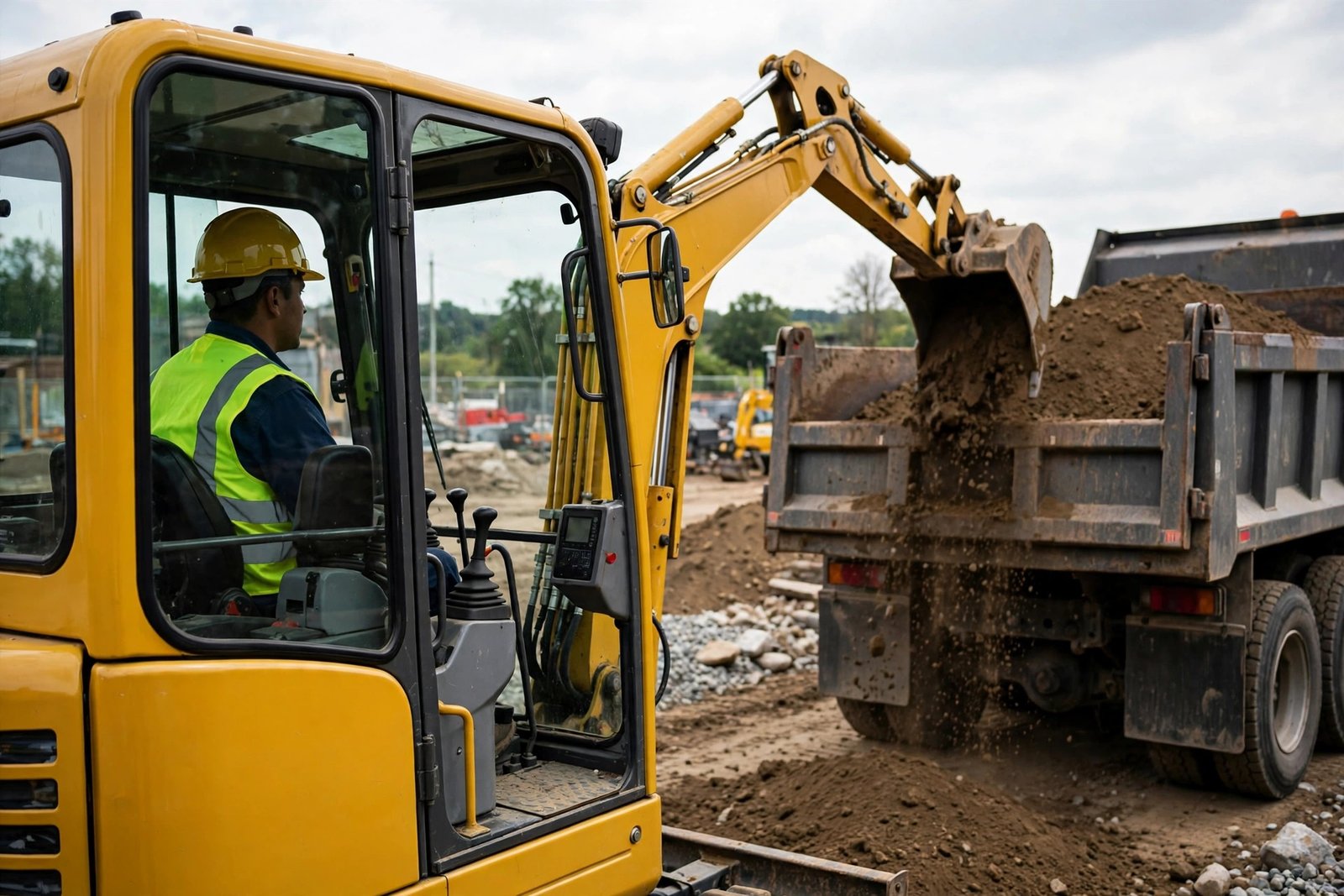
The series, in short
A mini excavator is a small machine that does a large job, and buying one well is mostly a matter of measuring first and asking in writing. Choose the size by the work, not by the badge. Look after the machine, keep the spares on the shelf, and choose a supplier you can call when something goes wrong.
Tell Sparkle One about your work — the size you need, the ground you work on, and the country you import into — and we will help you choose the right machine and configuration, and confirm the certificates, documents and parts for your order in writing before you pay. Minimum order is 1 unit, and our team replies within 24 hours. Contact us on WhatsApp at +86 151 2992 2907 to discuss your requirements.