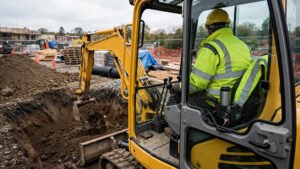
If you are choosing a mini excavator today, you will soon face a question buyers did not have to ask a few years ago: diesel or electric? Diesel is the familiar choice, proven on farms and building sites for decades. Electric is the quiet newcomer, and it is now a practical option for certain jobs — and a poor fit for others. This guide compares the two, explains where Sparkle One’s electric HT15-Li fits, and helps you decide which one suits your work.
Diesel: the proven workhorse
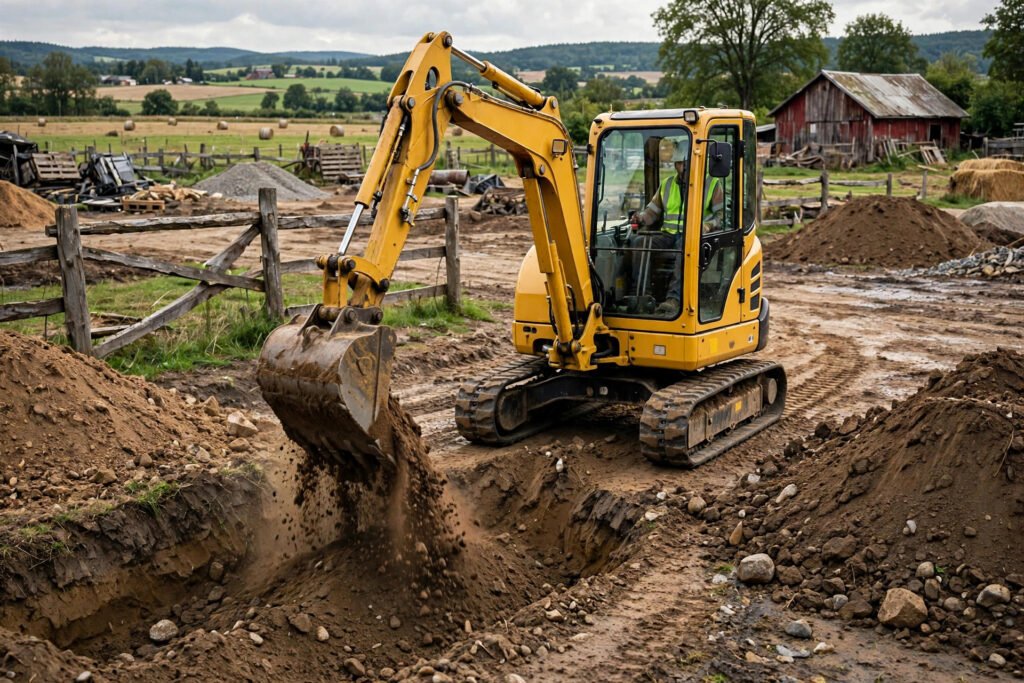
Diesel is still the default choice for most buyers. The first reason is range: a diesel machine can be refuelled in minutes and work again, with no need to plan the day around a charging point. The second is flexibility: diesel works anywhere — a remote farm, a field with no power supply, or a site that changes every week. If fuel can be brought to it, it can work. The third reason is familiarity. Most operators, mechanics, and rental yards already know diesel engines. Servicing routines are well understood, spare parts are widely available, and buyers know what to check: engine brand, service intervals, fuel use, and emission standard.
Electric: quiet, clean, and calm
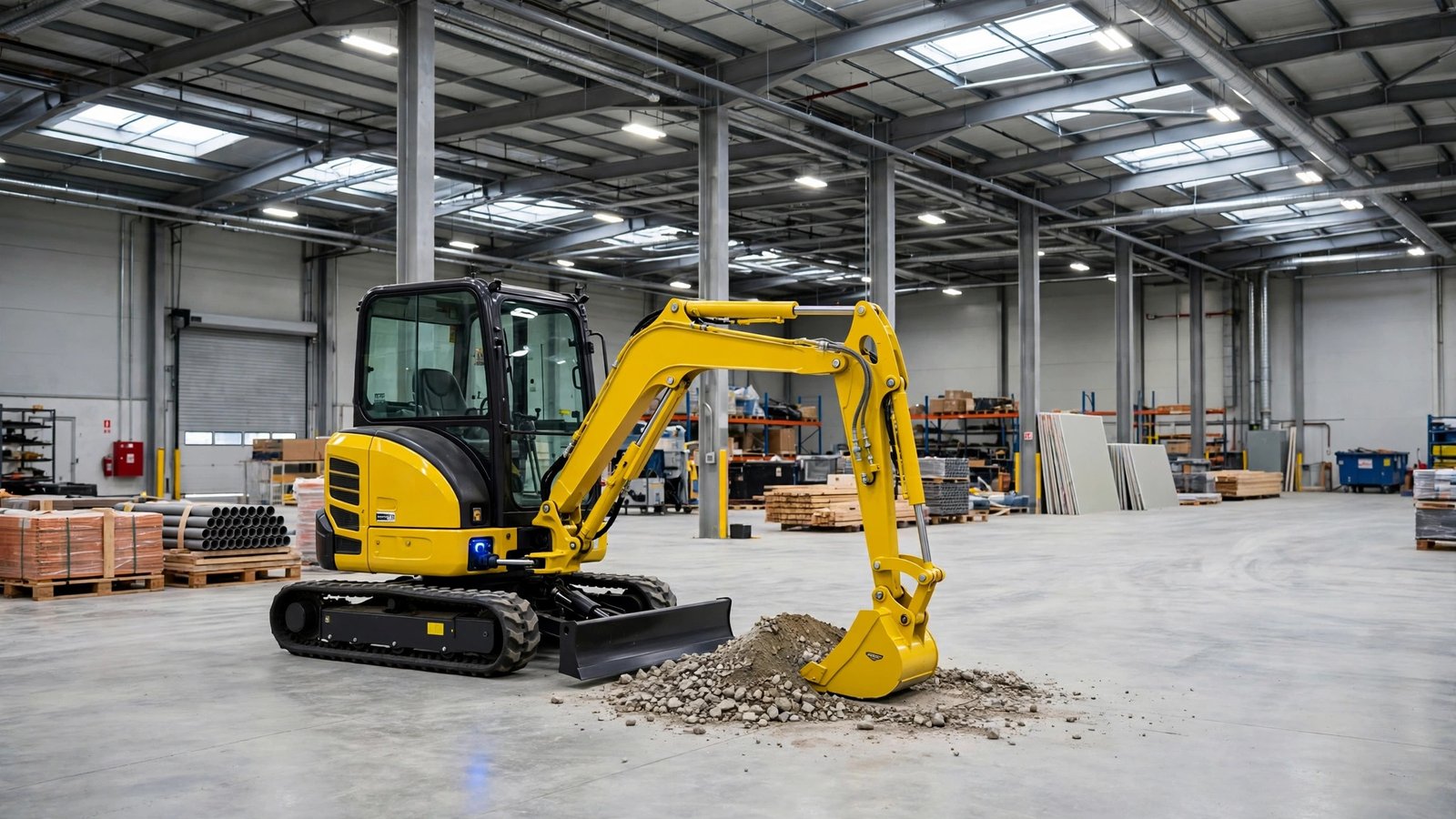
Electric mini excavators change the feel of a job site. The most obvious difference is the lack of exhaust. There are no diesel fumes around the operator, which matters most indoors — in a warehouse, basement, or building under renovation — where a diesel engine needs ventilation and care. The second difference is noise. An electric machine is far quieter than a diesel machine of the same size. That matters in residential areas, near schools and hospitals, and on night work where neighbours and local rules limit noise. A quieter machine can start earlier, finish later, and cause fewer complaints. The third difference is smoothness. Electric drive is smooth and responsive, with less vibration reaching the operator. Over a long day, that adds up to less fatigue. It also means fewer oil and filter changes in the engine area, although tracks, pins, hydraulics, and cooling still need regular checks, just like any excavator.
What about the HT15-Li?
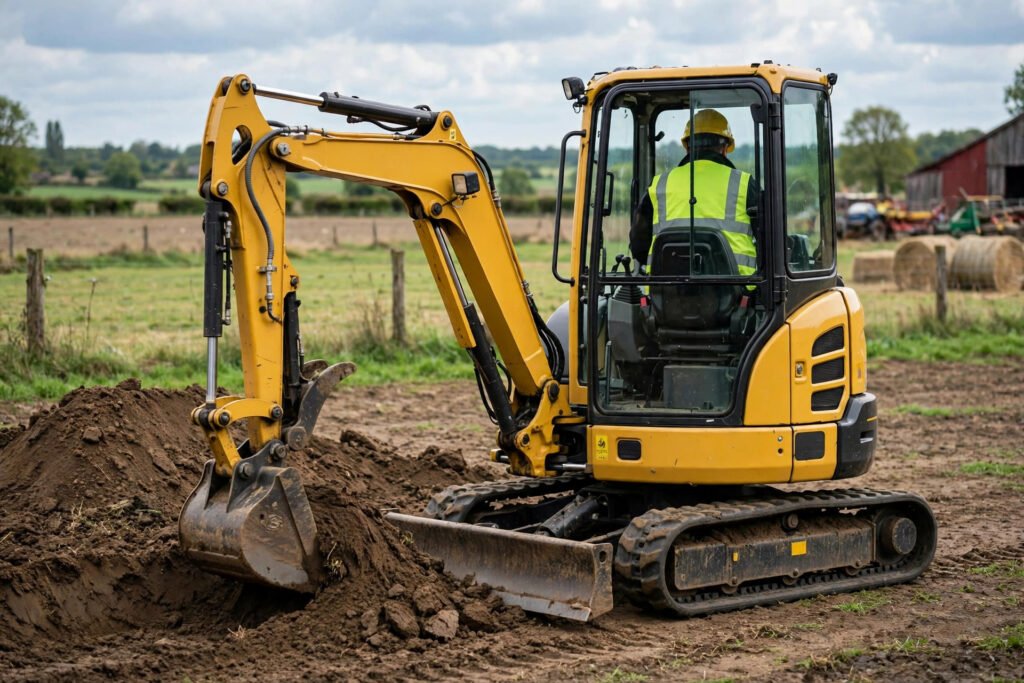
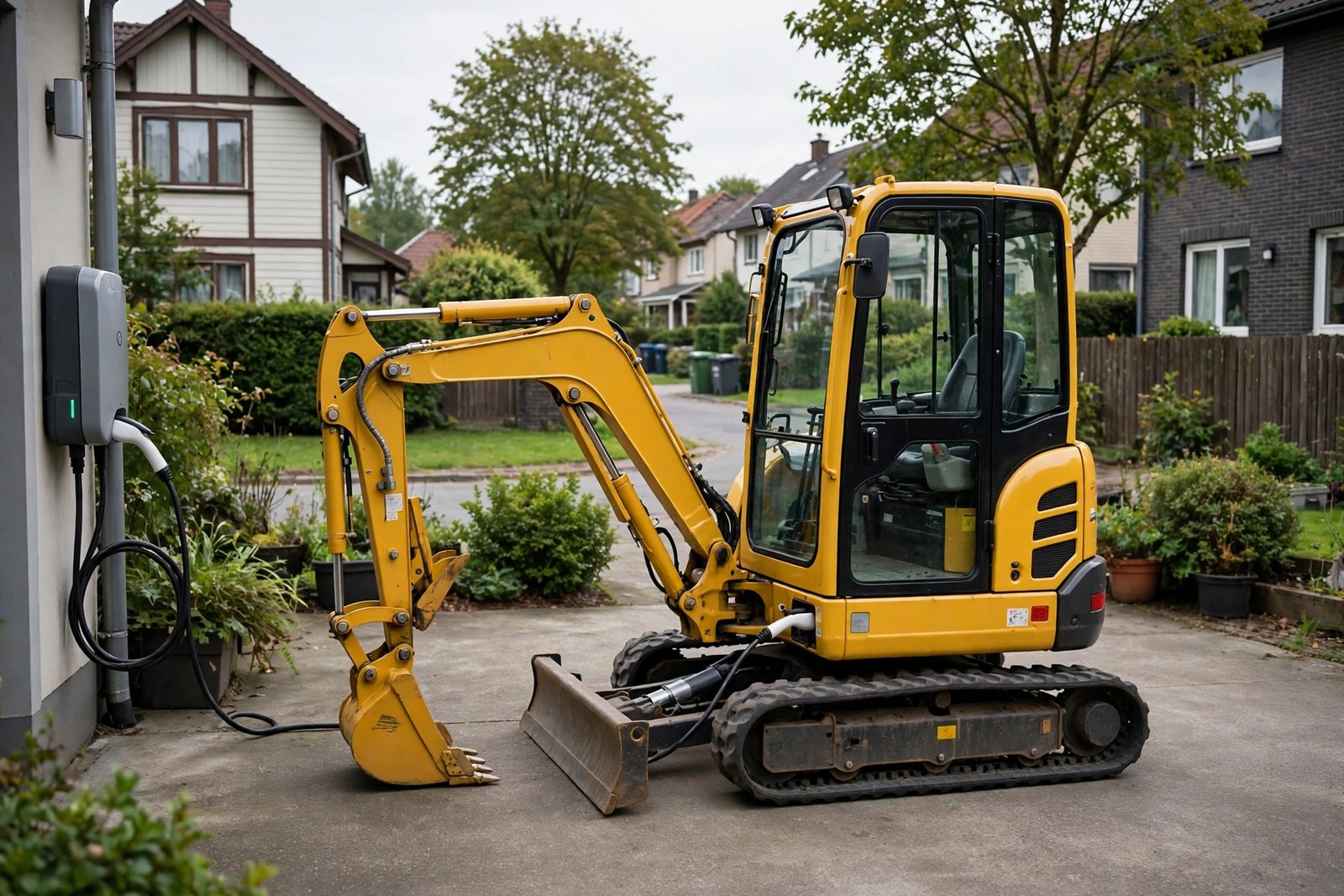
Sparkle One offers an electric version in the 1.5-ton class: the HT15-Li. It is the same size class as the diesel HT15, so it suits the same kind of work — small farms, orchards, landscaping, indoor demolition, and tight residential spaces — but with electric drive instead of a diesel engine. That size matters. A 1.5-ton machine is compact enough to pass through a gate, work beside a house, and travel on a small trailer, yet strong enough for trenches, foundations, and regular groundwork. The HT15-Li keeps that balance and adds the benefits of electric power: no exhaust at the point of use, low noise, and smooth operation. Buyers should ask the supplier for the exact specification of the HT15-Li configuration they plan to order — including battery type, charging options, and the working time expected for their type of work — before placing an order. Battery performance depends on the job: heavy digging uses energy faster than light grading.
Charging and planning your workday
An electric mini excavator needs different planning from a diesel one. With diesel, the plan is simple: bring fuel. With electric, the plan is about power and time. Before the working day, the machine should be charged where power is available — at a yard, a workshop, or a site with a suitable supply. The operator should know how long a charge takes and how the day’s work fits the energy available.
When electric wins
Electric wins when the site itself is the problem. The clearest case is indoor work: warehouses, factories, basements, and buildings under renovation, where exhaust and noise can stop the job. Electric also wins for buyers who work at one location with reliable power, and for rental companies serving customers who need a clean, quiet machine for a specific indoor or residential job.
When diesel wins
Diesel wins when the site is remote, the days are long, and power is uncertain. A farm in the middle of nowhere, a roadside job that moves every day, or a site with no electricity supply will always suit diesel better. Diesel also wins when the machine must work all day without a break, with heavy digging from morning to evening.
What about total cost?
Buyers often ask whether electric is cheaper in the long run. The honest answer is that it depends on how the machine is used, and no single figure applies to everyone. Electricity can cost less per hour than diesel fuel in many places, and an electric drive system can mean less routine engine servicing. On the other hand, the machine itself and its battery are a significant part of the purchase, and charging equipment may add to the setup. Maintenance is not eliminated: tracks, hydraulics, pins, and filters still need attention on both types of machine. Compare the total cost for your own work: purchase, energy, servicing, downtime, and how many days a year the machine actually works.
How to decide in 30 seconds
Ask three questions. First, where do I work most — indoors or in residential areas, or on remote and open sites? Second, how long are my working days, and can I charge the machine overnight? Third, is quiet, exhaust-free operation a requirement for the jobs I want, or just a nice extra? If your work is mostly indoors, residential, or noise-sensitive, and you can charge overnight, electric — including the HT15-Li — is worth a serious look. If your work is mostly remote, long, and varied, diesel is still the practical choice.
The right power for the right job
Diesel and electric are two answers to different problems. Diesel gives freedom, range, and flexibility. Electric gives clean air, quiet work, and access to sites where diesel struggles. The HT15-Li shows that electric mini excavators are now a real option for the right buyer. Whether it is worth it for you depends on your sites, your working hours, and your power supply — not on which technology is newer. Tell Sparkle One where you work, how long your days are, and whether you need indoor or quiet operation, and we will help you choose between diesel and electric. Minimum order is 1 unit, and our team replies within 24 hours. Contact us on WhatsApp at +86 151 2992 2907 to discuss your requirements.