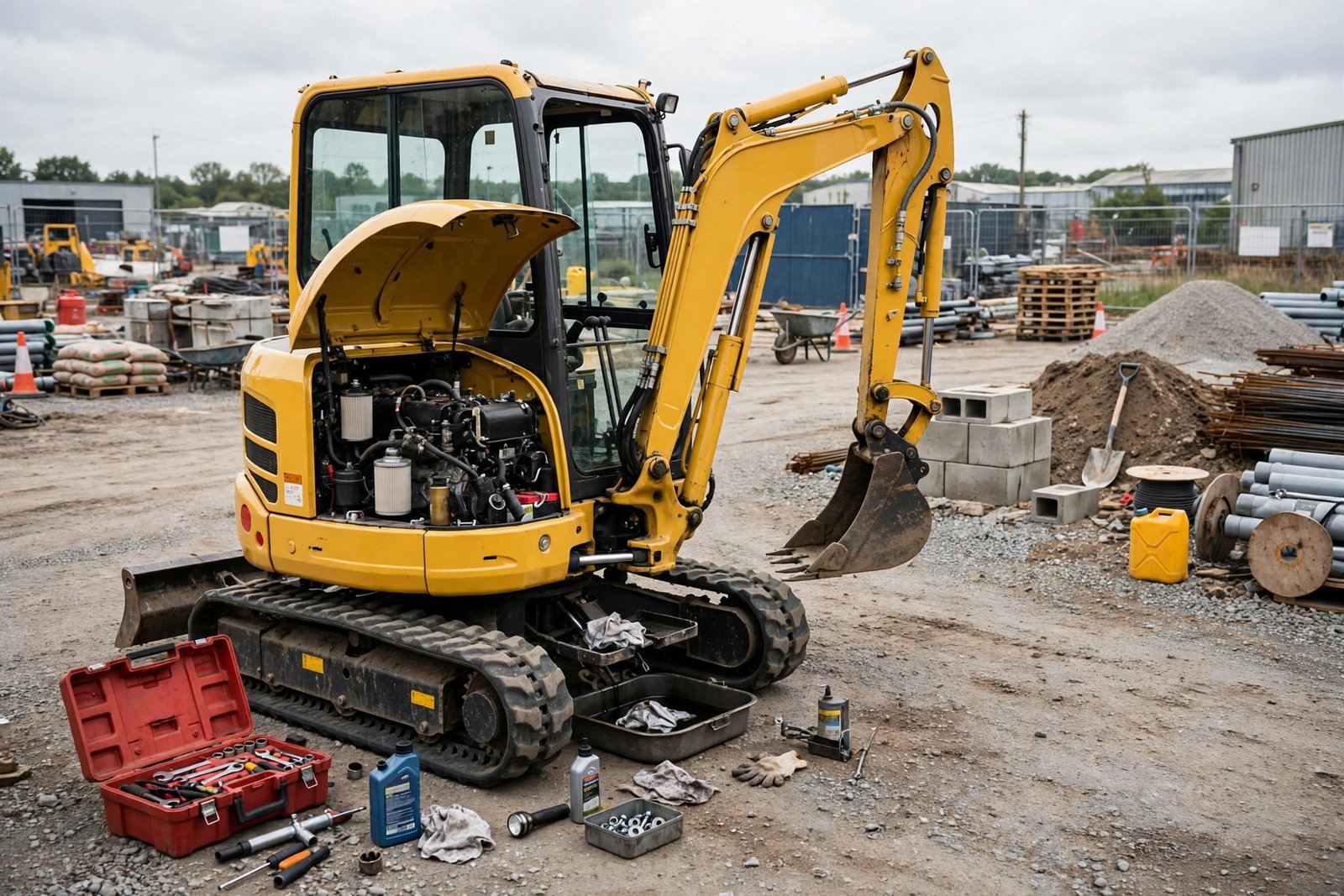
A mini excavator does not break down all at once. It wears out a little at a time — a track that slowly loosens, a hose that starts to weep, a filter that quietly clogs, a pin that runs dry. A five-minute check at the start of the day catches almost all of it, while it is still cheap and easy to fix.
This is the daily maintenance checklist to use before you start work, plus the weekly jobs that keep the machine reliable for years.
Why Five Minutes Matters
Most expensive repairs start as small problems nobody noticed. Low oil becomes a worn engine. A loose track becomes a thrown track. A dry pin becomes a worn bushing. A small hydraulic leak becomes a failed hose on the job.
A daily walk-around finds leaks, damage, and loose parts before they stop the job, and it keeps the operator familiar with the machine, so a change in sound or feel is noticed early. Do the check before the engine starts, while the machine is cold and still.
The 5-Minute Daily Check
Walk around the machine in the same order every time, so nothing is skipped.
1. Tracks and undercarriage
Look at both tracks for cuts, cracks, missing rubber, and stones trapped between the track and the rollers. Check the track tension: press down on the track between the rollers — it should sag a little, not hang loose or sit drum-tight. The exact tension is in the manual for your model. Clear mud and stones from the undercarriage, especially after wet work.
2. Engine oil and coolant
Pull the engine oil dipstick, wipe it, push it back in, and pull it out again. The level should sit between the two marks. If it is low, top it up with the oil type in the manual — do not mix types. The oil should be dark but clear, not milky and not full of metal particles. Milky oil can mean water is getting in, and that needs attention before the machine works again.
Check the coolant level in the overflow bottle. It should sit between the low and high marks when the engine is cold. Never open a hot radiator cap. If the coolant is low every day, look for a leak instead of just topping it up.
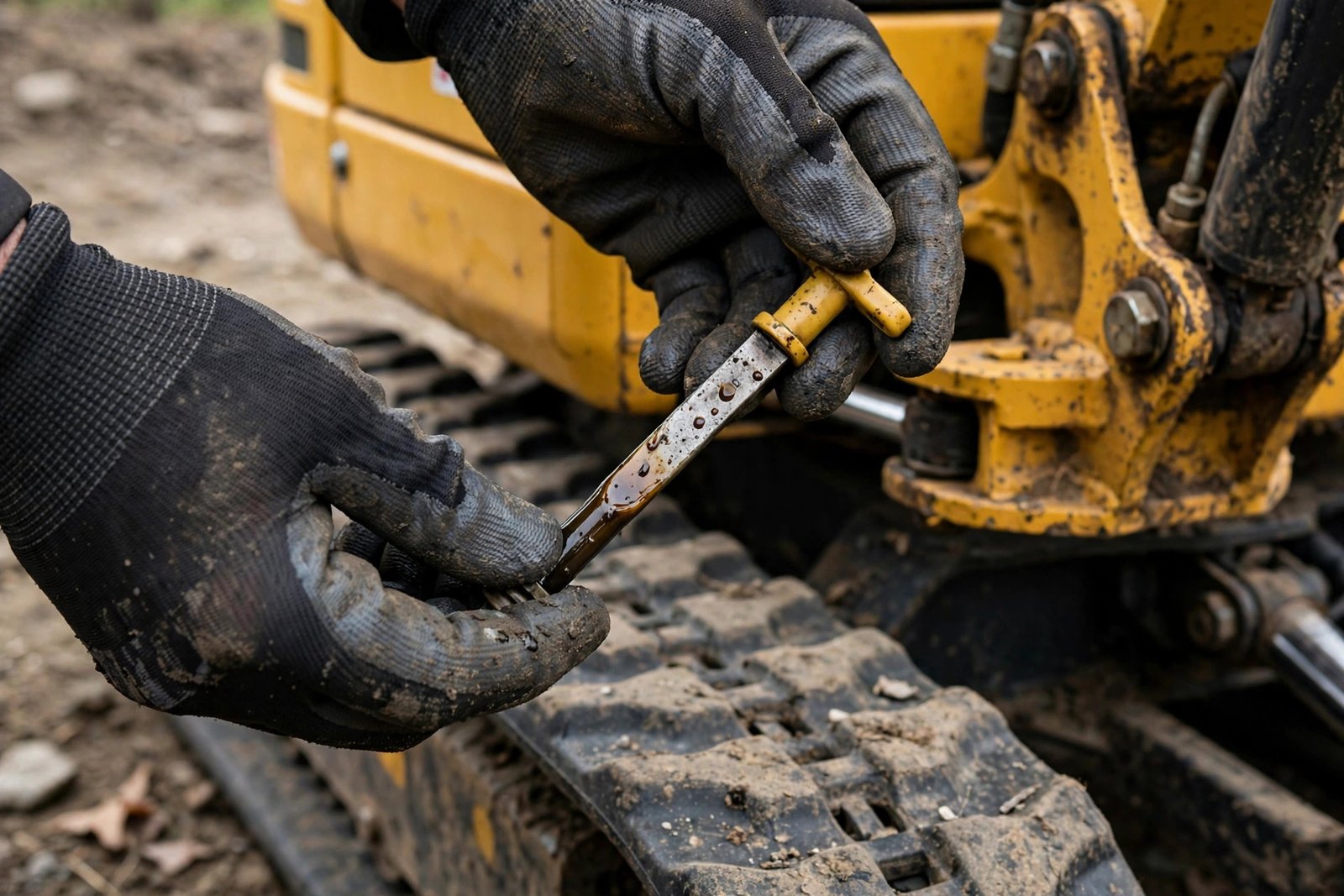
3. Hydraulic oil and hoses
Check the hydraulic oil sight glass or dipstick. The level should be in the marked range with the boom and arm lowered and the machine on level ground. Look along every hose for wet spots, cracks, bulges, and rubbing. A hose that rubs against the frame will fail — move it, or fit a guard, before it bursts. Check the fittings for drips. Hydraulic oil under pressure can cut skin, so never run a hand along a hose to find a leak. Use a piece of cardboard instead.
4. Pins, bucket, and teeth
Look at the boom, arm, and bucket pins for grease and for play — if a pin moves sideways in its housing, the bushing is worn. Check the bucket teeth: are they all there, tight, and not worn to a stub? A missing tooth makes the bucket dig unevenly. Check the quick coupler, if fitted, locks properly before you lift a load.
5. Leaks, lights, and the cab
Look under the machine for fresh drips: oil, coolant, or fuel. A new puddle means something changed overnight. Check the lights, the horn, the seat belt, and the controls. Sit in the seat, start the engine, and let it warm up for a few minutes. Listen for a new rattle or squeal. Move each control slowly through its range and watch for smooth, even movement. A jerky or slow function is a sign to check the hydraulics before the job, not during it.
The Weekly Check
Once a week, add four jobs to the daily list.
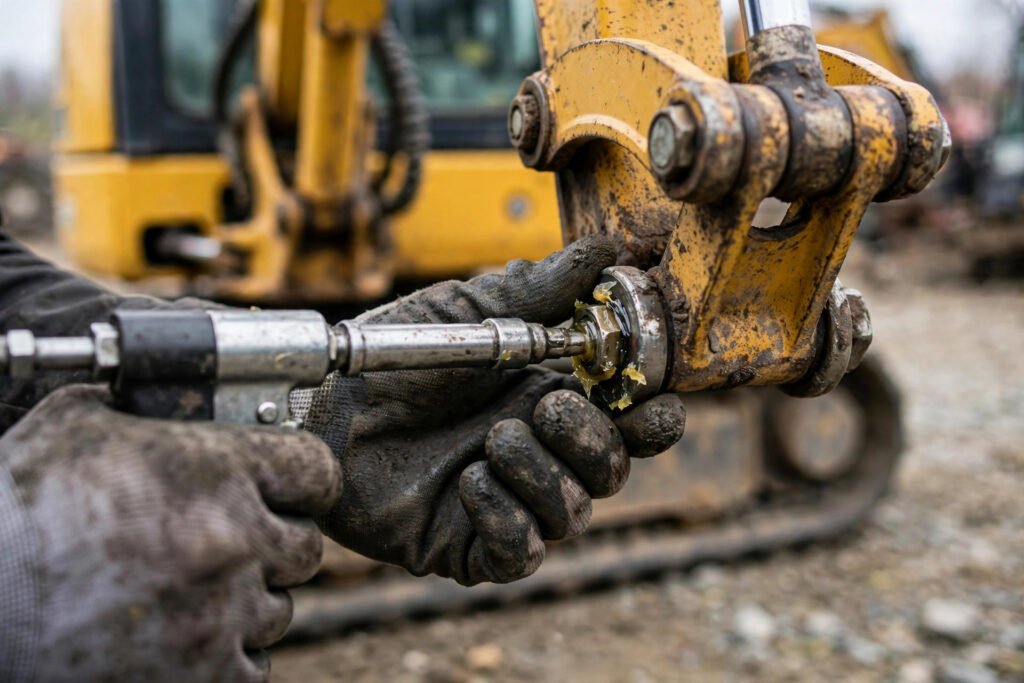
First, grease all the pins and bushings. Use the grease type in the manual, grease until fresh grease shows at the joint, and wipe off the excess. Grease more often in wet, dusty, or demolition work — grease is cheap, pins are not.
Second, check the air filter. Tap out loose dust, or clean it as the manual describes. A clogged filter starves the engine of air and wastes fuel.
Third, check the fuel system. Drain any water from the fuel filter bowl, look for leaks around the fuel lines, and keep the fuel tank cap clean. Dirty fuel is one of the most common causes of a machine that will not start.
Fourth, clean the machine. Wash off mud, dust, and concrete splashes, especially around the radiator, the tracks, and the undercarriage. A clean machine runs cooler and shows leaks sooner.
Cleaning and Record Keeping
Mud packed around the radiator blocks airflow and makes the engine run hot. A quick wash at the end of the day, and a deeper clean once a week, keeps the machine in working order.
Keep a simple record. A notebook in the cab is enough: date, hours on the meter, oil and coolant levels, what was greased, and anything unusual you noticed. It reminds you when the next oil and filter change is due, and it proves to a buyer that the machine was looked after.
What to Do When Something Is Wrong
Do not work through a warning sign and hope it goes away. If the oil is milky, the coolant is low every day, a hose is bulging, a track keeps loosening, or the hydraulics are slow, stop and find the cause. Most of these are small jobs if they are caught early: a hose, a seal, a filter, a tension adjustment. Left alone, they become the jobs that stop a machine for a week.
If you are not sure what is wrong, describe it to your supplier: what you saw, when it started, and what changed. A photo of the leak or the worn part helps more than a long description. Keep the manual for your exact model close by — service intervals, oil types, and track tension differ between models.
A Machine That Starts Every Morning
Daily maintenance is about a machine that starts every morning, works all day without stopping, and is still worth something when you sell it. Five minutes before work, a weekly grease and clean, and a short note in a book — that is the whole routine.
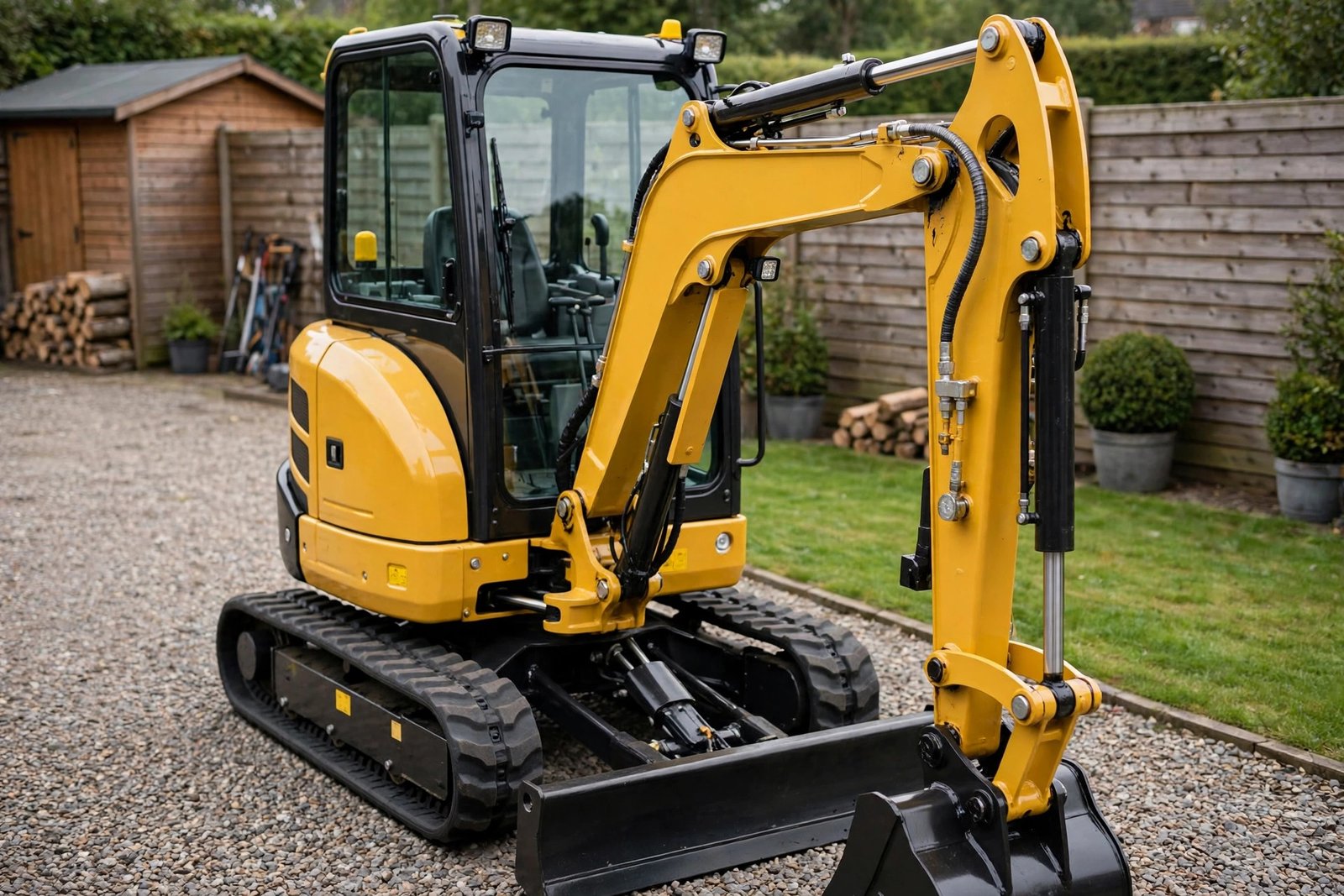
Tell Sparkle One about your machine and your working conditions, and we will help you confirm the service intervals and spare parts for your model. Minimum order is 1 unit, and our team replies within 24 hours. Contact us on WhatsApp at +86 151 2992 2907 to discuss your requirements.